Political Capital, in partnership with the Slovak think tank Globsec, analyzed the results of a public opinion poll encompassing Austria, Bulgaria, Czechia, Estonia, Hungary, Latvia, Lithuania, Poland, Romania and Slovakia.

Political Capital, in partnership with the Slovak think tank Globsec, analyzed the results of a public opinion poll encompassing Austria, Bulgaria, Czechia, Estonia, Hungary, Latvia, Lithuania, Poland, Romania and Slovakia.
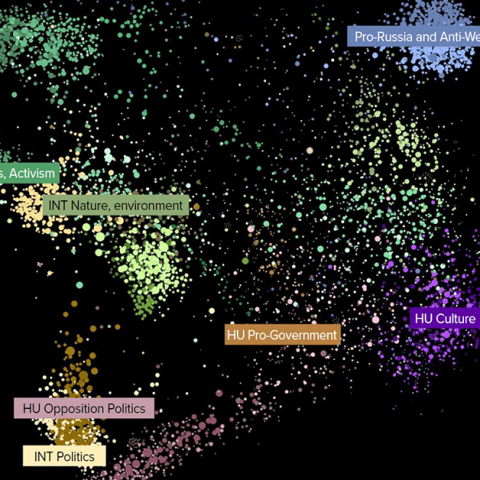
Information bubbles and ideological proximities on Czech, Hungarian and Slovak Facebook

Disinformation narratives and strategies related to the pandemic’s first wave in Hungary and the CEE region

A policy paper in association with Euronews Hungary

A podcast about the political and economic situation in Italy, policy responses to the corona crisis, the future of the European integration. Guest: Erik Jones
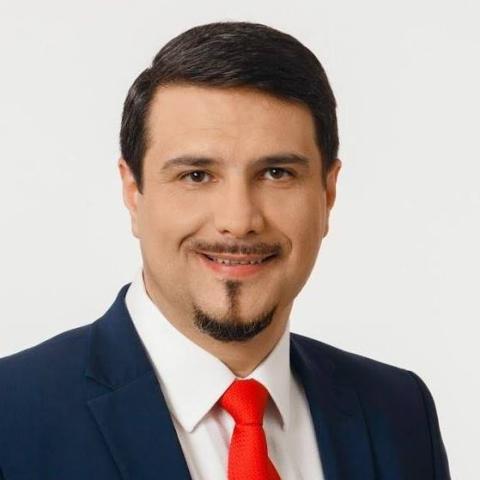
Interview with NATO Parliamentary Assembly President Attila Mesterházy

A summary of research on the occurrence and dangers of fake news in the education system, and possible ways of combating the phenomenon

During the October 2019 elections, the government-organised media launched a massive disinformation campaign against the opposition.
This research project aims to identify the main narratives spread by official Kremlin mouthpieces and local pro-Kremlin media, focusing on how Russia-related issues and EU institutions are depicted

Political Capital’s study explains how Russian disinformation works and the security threats it poses.
Young people try to defend themselves against propaganda, but distrust mainstream media. The latter is, in turn, the main source of young people’s political passivity
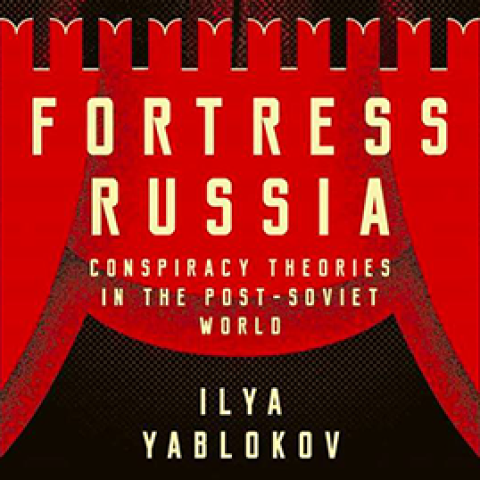
Our interview with Dr. Ylja Yablokov about his upcoming book, entitled Fortress Russia – Conspiracy Theories in Post-Soviet Russia.