Our interview with Jānis Bērziņš, the director of the Center for Security and Strategic Research in Riga.

Keresés
Our interview with Jānis Bērziņš, the director of the Center for Security and Strategic Research in Riga.
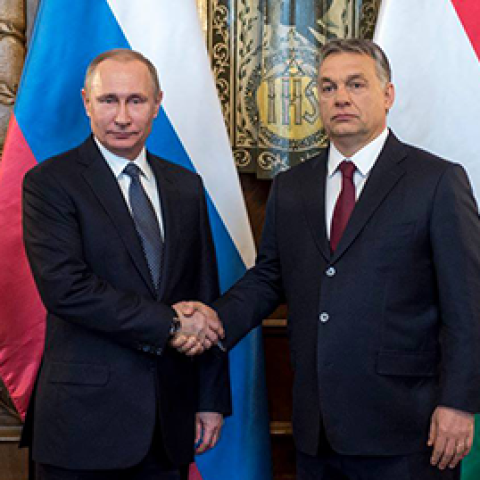
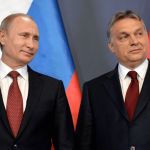
Russian President Vladimir Putin’s visit on 2 February to Budapest indicates there is a strategic alliance between the two sides, which aims to strengthen „internal opposition” within the European Union trying to cancel sanctions against Russia and weaken European integration.
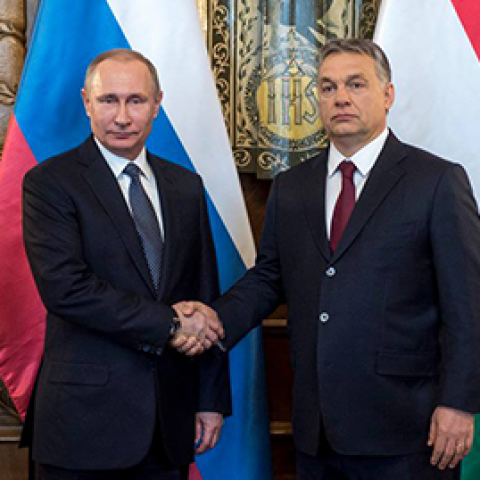
Vlagyimir Putyin orosz elnök 2017. február 2-ai budapesti látogatása a két ország aszimmetrikus stratégiai szövetségét jelzi, amely erősíteni kívánja az Oroszország elleni szankciók eltörlésére és az európai integráció gyengítésére törekvő „belső ellenzéket” az Európai Unióban.
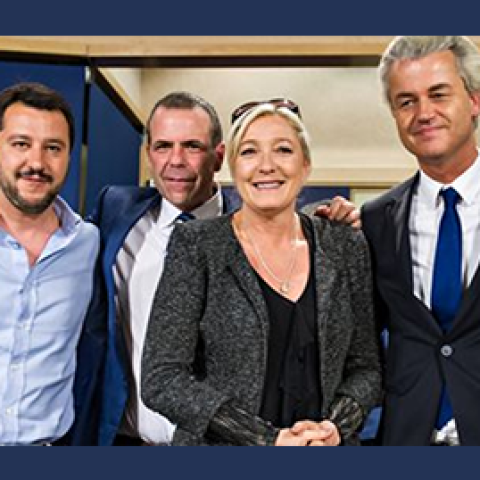
The joint study of the Washington-based American Enterprise Institute and Political Capital examined the driving forces behind European populism and Russian influence exerted on the main political forces.
A washingtoni székhelyű American Enterprise Institute és a Political Capital tanulmánya az európai populizmus mozgatórugóiról és a főbb politikai szereplőkre gyakorolt orosz befolyásról.
V4 countries are among the main targets of the Kremlin's disinformation campaigns. To demonstrate this, Political Capital, Globsec Policy Institute and the European Values Think Tank launched the bi-weekly Kremlin Watch, which brings the public's attention to Russian propaganda.
A V4 országok kiemelt célpontjai a Kreml dezinformációs kampányainak. Ennek bemutatására a Political Capital, a Globsec Policy Institute és a European Values Think Tank összefogásával indult a Kreml-figyelő, amely orosz propagandára hívja fel a figyelmet kétheti rendszerességgel.
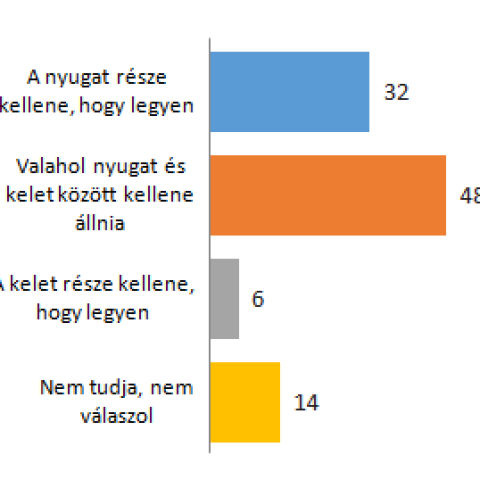
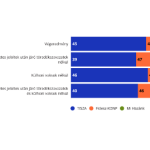
A Political Capital közép-kelet-európai orosz befolyásról szóló konferenciáján mutatták be azt a kutatást, amely a társadalom kül- és geopolitikai orientációját, a NATO-hoz, az Amerikai Egyesült Államokhoz és Oroszországhoz való viszonyát vizsgálta Magyarországon, Szlovákiában és Csehországban.
While populist radical right parties in Europe and their connections to Russia are frequently discussed, much less attention is dedicated to the radical left side of the spectrum. This study tries to fill this gap by providing an overview of the political successes of radical left parties.
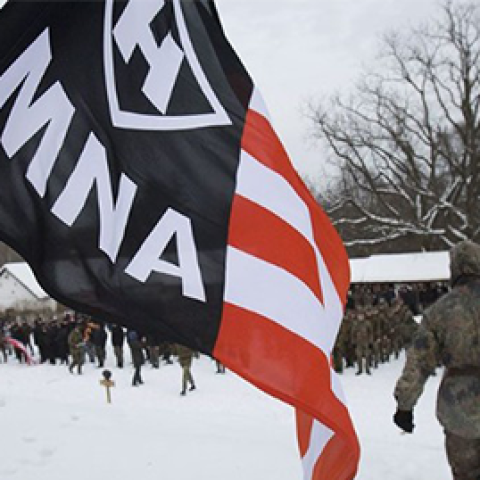
The recent murder of a Hungarian police officer by a far-right paramilitary leader in Hungary shed light on the continuing radicalization and destabilization of the region by Russia.
Political Capital’s most recent study explores the topic of Russian soft power in Hungary, Slovakia, the Czech Republic, Poland and Austria.
A Political Capital legújabb tanulmánya az orosz puha hatalom („soft power”) témáját járja körül Magyarországon, Szlovákiában, Csehországban, Lengyelországban és Ausztriában.