
Country report on xenophobia and radical nationalism in Hungary for the time period between January-June 2015. In the study, dr. Ildikó Barna, associate professor at Eötvös Lóránd University, and Political Capital’s analyst Bulcsú Hunyadi summarise the key events and developments related to radicali
Híreink1560 Post
Híreink
Melyek a tényleges hasonlóságok és különbségek Dánia és Magyarország menekültpolitikájában?
This page presents the results of a two-years-long research project, which focused on the attitudes towards political violence in online and offline context.
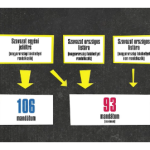
Átfogó tanulmány a magyar választási rendszer problémáiról, amely felülvizsgálati javaslatokat is megfogalmaz azokon a pontokon, ahol valamely választási alapelv sérül, vagy ahol komoly visszaélési lehetőség jelentkezik.
Míg a menekülthullám kapcsán a magyarországi helyzet, a kormányzati és az ellenzéki álláspont széles körben tárgyalt a hazai közbeszédben, addig a határ túloldalán, a Vajdaságban uralkodó állapotokról viszonylag keveset hallani, holott a helyzet – bár első ránézésre meglehetősen hasonló – sokkal árn
Hungary's Migration Debate - an article by Péter Krekó and Attila Juhász in Foreign Affairs
Oktatási segédanyag
As the Hungarian government is losing support while Jobbik is on the rise as its most important challenger, Viktor Orbán is trying to halt the popularity of the far-right party by putting...
The more successful populist, Euro-reject parties in the last few years have shifted their platform’s central pillar from anti-immigration in 2009’s EP election to anti-EU in 2014’s EP election.
In the last five years Fidesz implemented several measures that were originally part of Jobbik’s program. There are several fields where the rhetoric of Fidesz and Jobbik have converged.
Summary of the study by Átlátszó, K-Monitor, Political Capital and Transparency International Hungary
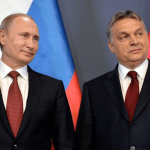
Political Capital's study on Kremlin's connections to the Hungarian far-right.